
Introduction
In an age where global travel is more accessible than ever, many travelers are looking beyond typical sightseeing and luxury experiences. Instead, they’re seeking deeper connections—with nature, local cultures, and sustainable practices. This growing movement is known as ecotourism, and it’s transforming the way we think about travel.
Ecotourism focuses on responsible travel to natural areas that conserves the environment, supports local communities, and offers enriching, educational experiences. It’s not just a trend—it’s a necessary response to the challenges of over-tourism, climate change, and the need to protect the world’s most fragile ecosystems.
If you’re new to this concept, don’t worry. This beginner’s guide to ecotourism will walk you through what it is, why it matters, and how you can start exploring the world more responsibly—one destination at a time.
What Is Ecotourism?
At its core, ecotourism is about more than just visiting natural places. It’s defined by three core principles:
- Minimizing environmental impact
- Supporting and respecting local communities
- Providing education and meaningful interaction with nature
Unlike conventional tourism, which often strains natural resources and disrupts local life, ecotourism aims to preserve and protect while creating positive experiences for both visitors and hosts.
Examples of Ecotourism Activities:
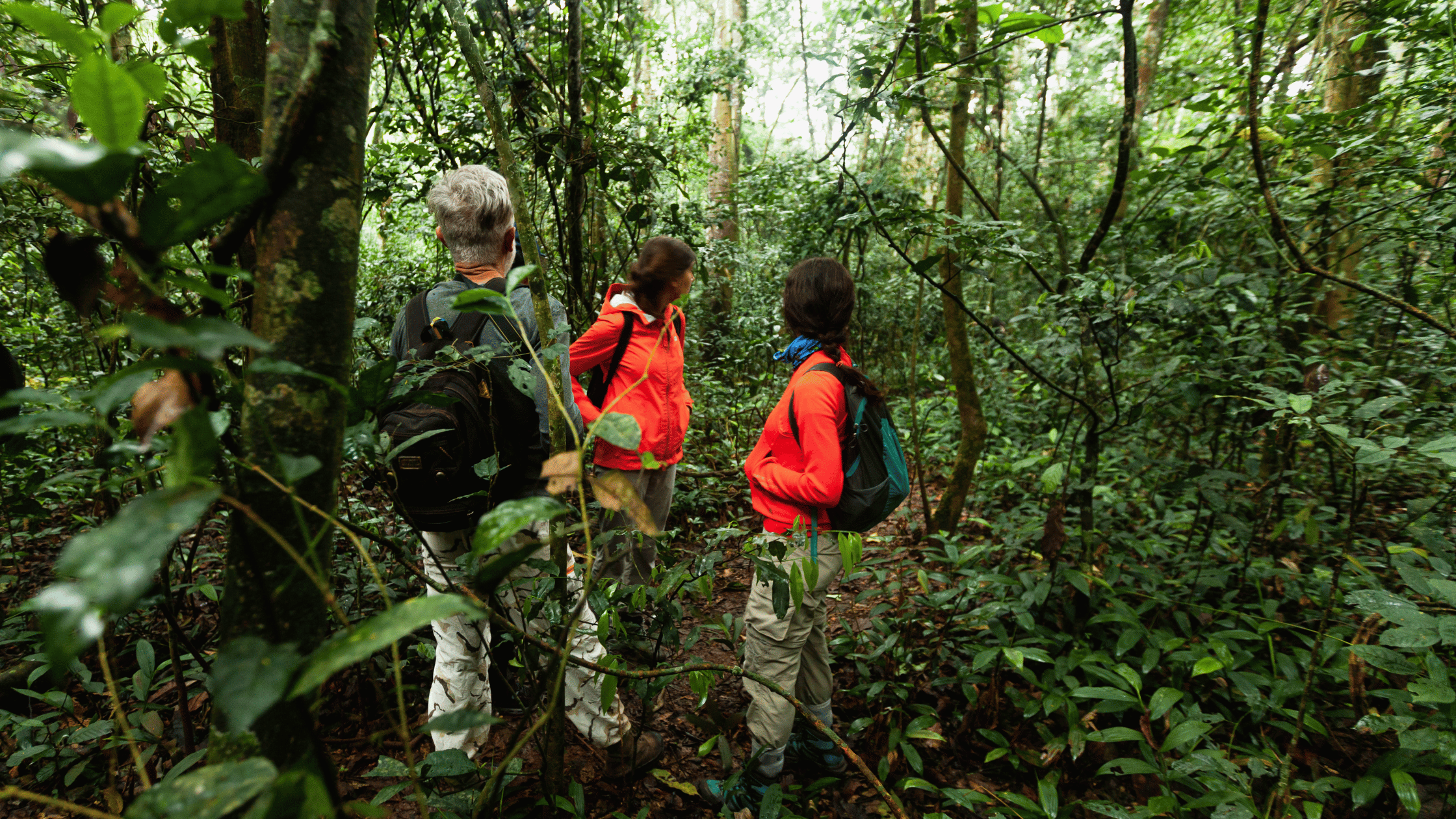
- Hiking through protected national parks
- Wildlife watching with certified guides
- Staying at eco-lodges that use renewable energy
- Volunteering with conservation programs
- Participating in cultural exchanges with indigenous communities
Why Ecotourism Matters
With millions of people traveling every year, tourism has a significant impact on the planet. From carbon emissions and plastic pollution to the loss of wildlife habitats, traditional tourism can take a heavy toll. Ecotourism offers a more sustainable model that benefits both people and the planet.
Key Benefits:
- Conservation funding: Entrance fees and eco-lodge stays often fund environmental protection.
- Community empowerment: Ecotourism creates jobs and economic opportunities for local people.
- Education and awareness: Travelers learn about conservation, biodiversity, and cultural heritage.
- Environmental stewardship: Encourages responsible behavior, such as waste reduction and ethical wildlife viewing.
🌍 Every mindful decision you make as a traveler can help preserve the world for future generations.
How to Get Started with Ecotourism
1. Choose Sustainable Destinations
Start by researching countries or regions that are committed to sustainability. Many destinations are actively promoting eco-friendly travel and have certifications or programs in place to guide visitors.
Examples of Eco-Conscious Destinations:
- Costa Rica – Famous for its biodiversity and eco-lodges
- New Zealand – Emphasizes nature preservation and responsible adventure travel
- Bhutan – Focuses on low-impact tourism and Gross National Happiness
- Slovenia – A European leader in green tourism
- Thailand – Offers community-based tourism and wildlife sanctuaries
✅ Look for destinations that prioritize conservation, limit visitor numbers, and reinvest in local ecosystems.
2. Support Local Businesses
One of the best ways to be an eco-conscious traveler is by spending your money locally. Instead of international chains, choose:
- Locally owned guesthouses or eco-lodges
- Family-run restaurants
- Local tour operators
- Handmade crafts and souvenirs from local artisans
This ensures your travel dollars directly benefit the community, supporting livelihoods and encouraging the preservation of cultural heritage.
3. Minimize Your Environmental Footprint
Every traveler has an impact—but that doesn’t mean it has to be a negative one. Here’s how to reduce your footprint:
Before You Travel:
- Offset your carbon emissions through verified programs
- Pack reusable items: water bottle, tote bag, bamboo cutlery, reusable straw
- Choose eco-friendly accommodations with green certifications
During Your Trip:
- Avoid single-use plastics
- Stick to designated trails when hiking to protect ecosystems
- Don’t touch or feed wildlife
- Take shorter showers and turn off lights/AC when not in use
🌱 Sustainable habits at home should follow you wherever you travel.
4. Travel Slow and Stay Longer
The “fast travel” mentality—hopping from place to place in a matter of days—often results in greater emissions and less meaningful experiences. Slow travel, on the other hand, encourages deeper connections and smaller footprints.
Benefits of Slow Travel:
- Less transportation-related pollution
- More time to connect with local culture
- Reduced stress and a more fulfilling journey
Consider spending a week in one region rather than rushing through multiple cities. You’ll enjoy richer experiences and leave less environmental impact behind.
5. Educate Yourself and Be a Respectful Guest
Ecotourism is as much about learning as it is about exploring. Read up on the region’s history, cultural practices, and environmental challenges before you arrive.
Responsible Guest Guidelines:
- Ask permission before taking photos of people
- Learn a few basic words in the local language
- Dress modestly if the culture requires it
- Respect sacred sites and traditions
- Avoid bartering too aggressively in low-income areas
🤝 Being a thoughtful guest makes you a better global citizen—and enriches your travel experience.
6. Look for Legitimate Eco Certifications
Not all “eco” experiences are created equal. Some businesses may use the term loosely for marketing purposes. Look for verified certifications, such as:
- Green Globe
- Rainforest Alliance Certified
- EarthCheck
- LEED certification (for buildings)
- GSTC (Global Sustainable Tourism Council) recognition
Also, read reviews from fellow travelers and seek transparency on a business’s sustainability efforts.
Common Ecotourism Myths
❌ “It’s only for hardcore nature lovers.”
Not true. Ecotourism includes soft adventures like walking tours, cooking classes with locals, and cultural visits.
❌ “It’s expensive.”
While some eco-lodges may be pricey, community-based tourism and local homestays are often more affordable than commercial hotels.
❌ “It’s only in remote places.”
You can practice ecotourism anywhere—even in cities—by supporting green businesses and making conscious choices.
Conclusion
Ecotourism isn’t just a niche travel trend—it’s a responsible way to explore the world that aligns adventure with purpose. By choosing experiences that protect nature, respect local cultures, and benefit communities, you become part of a global movement toward sustainable and meaningful travel.
Whether you’re planning your first eco-trip or just beginning to explore the idea, the most important thing is to stay curious, stay respectful, and stay mindful. Because when we travel with intention, we don’t just see the world—we help protect it for generations to come.